Snapshots - The Rental Squeeze: A Market in Transition, Insurance: An Early Priority, Not an Afterthought, A Hammer in Search of a Nail
Back to Insights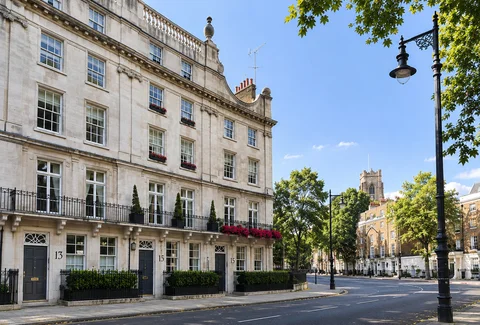
The Rental Squeeze: A Market in Transition
One would have thought that a prime objective of a left-of-centre government would be lower rents and more choice in the rental market. It is quite an achievement to have presided over the exact opposite. As ever in these things, the motivation was laudable: to give tenants more security of tenure and protect them from landlords who are often painted as rapacious and inhuman. Some may be - but the vast majority of private landlords are individuals who have invested their pension in bricks and mortar hoping for a decent income and some capital gain - at least enough to cover inflation. This worked well in the noughties where low interest rates and growth in property values made this investment approach a sound one even though property ownership has always been labour intensive and maintenance hungry.
What changed? Vastly increased Stamp Duty on the way in took an immediate chunk out of the capital value. The ability to put bank interest as a cost against any tax bill was done away with (both of these by a Conservative government). New EPC regulation meant additional capital expenditure on the fabric of the building. And now the Renters’ Rights Act. Just some of its contents include restrictions on the ability to raise rents which a tenant can challenge at a tribunal where the backlog is now running in years. Landlords can’t refuse pets and effectively there is no ability except in certain circumstances - persistent non-payment of rent being one - to terminate a tenancy. One exception is if the landlord wishes to sell and, not surprisingly, this has become the option chosen by many private landlords. Why go through all this hassle for a net income that is a lot less than you could get from buying a ten year gilt? There will still be large scale corporate landlords like Grainger, and ‘accidental landlords’ renting their home while they are away - but in an era of static or falling capital values it is safe to say that the pool of buyers wanting to enter this market has become a puddle - and a small one at that.
When supply shrinks it is basic economics that prices rise. So what has been achieved is more security for existing tenants - but at the high cost of fewer houses and flats to rent at higher prices. Is this what was intended?
Insurance: An Early Priority, Not an Afterthought
A dull subject if ever there was one - and in the past something that you did on exchange of contracts with a call to a friendly broker and minimum of information with more details following at a gentlemanly pace.
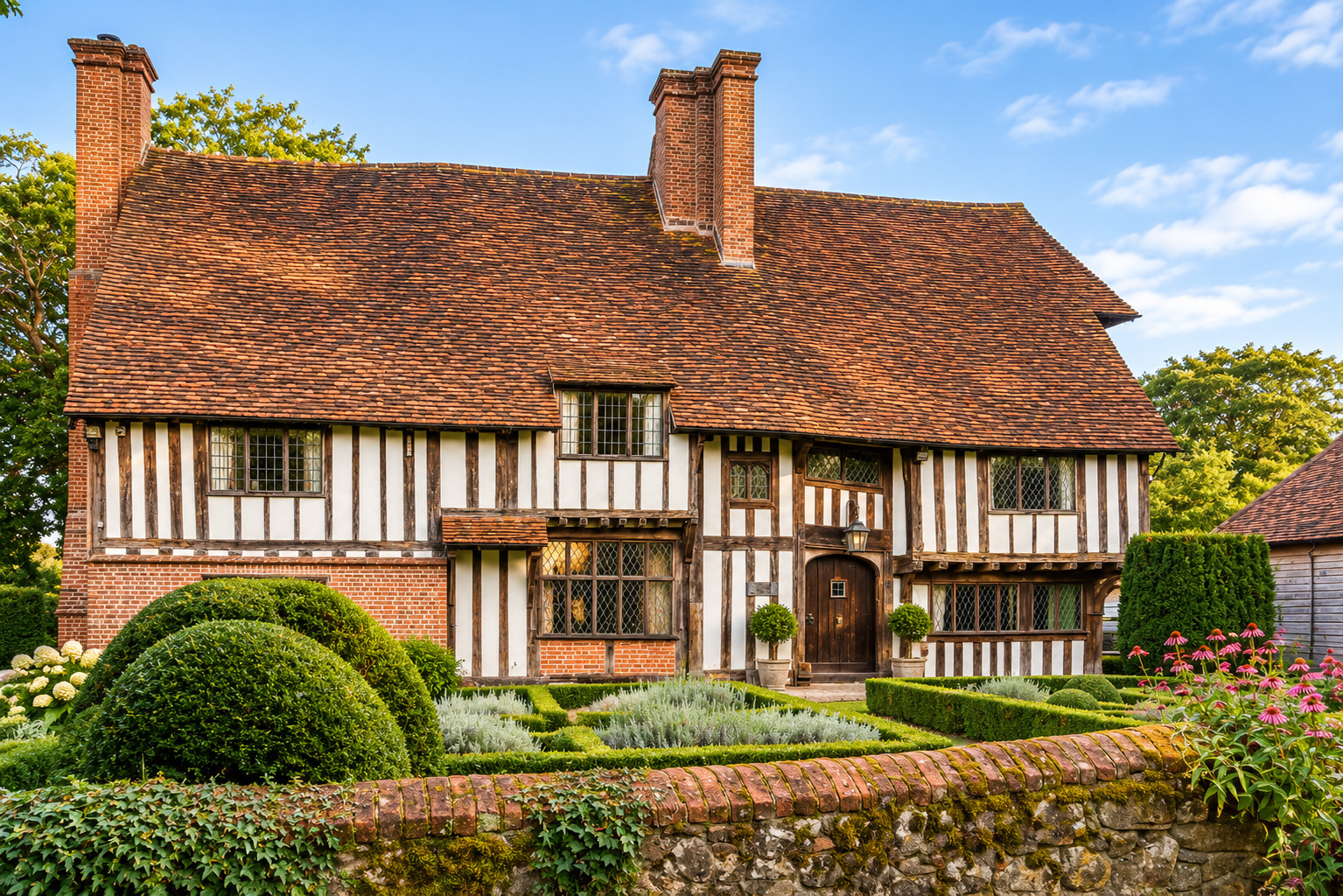
Not so today. Onboarding requires all the paperwork that is now endemic in any financial transaction. And when it comes to the property itself, unless it qualifies for a rare tick-box form, it means risk assessment that inevitably means delay. Country houses (not surprisingly) rarely fall into the tick-box category.
The reasons for this are numerous. Rapidly escalating building costs are top of the list especially with listed buildings or thatch. Flood risk and subsidence were always a problem but AI is dumping many properties into this bucket when they had previously been seen as low risk. And security - window locks, monitored alarms and cameras. Outbuildings, footpaths and public liability and contents have to be added to the list.
There is surely an opening here for the insurance company that is currently insuring the property to get a new client by extending the policy to include the buyer? Until then, the message is start lining up insurance at the beginning, not the end, of the conveyancing process.
A Hammer in Search of a Nail
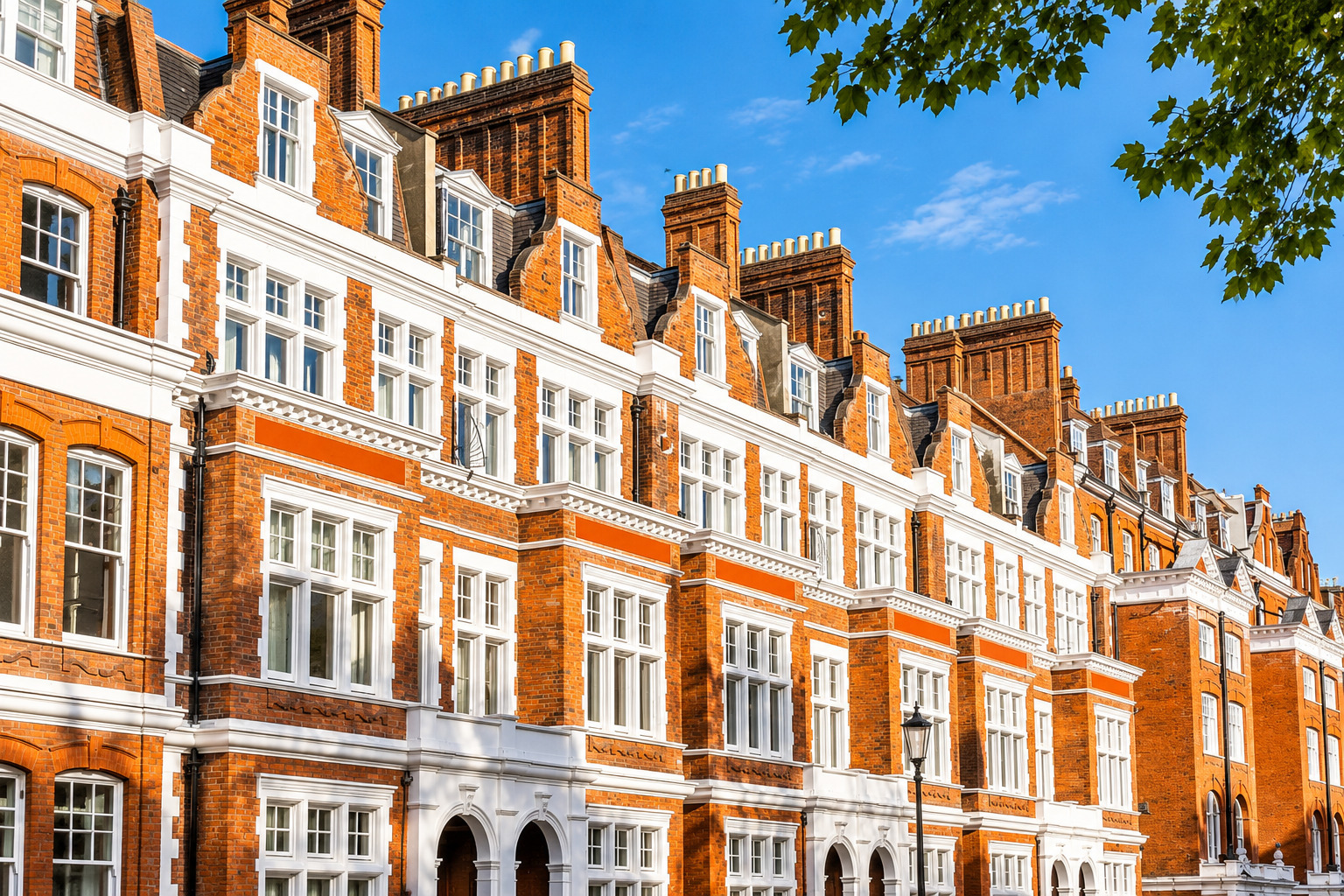
Leasehold reform is back on the agenda. The Commonhold and Leasehold Reform Bill is going to reduce ground rents to peppercorn levels and abolish marriage value (which is the extra value released when the freehold and leasehold values are merged). A curious language seems to overcome politicians when they get to talk about the leasehold system. Matthew Pennycook, the sixteenth housing minister in as many years, speaks of bringing ‘the feudal leasehold system to an end’. The modern system is a long way from feudal and simply a way of splitting the ownership of a building into separately owned flats with a separate body being responsible for the upkeep of the building as a whole. In some cases the landlord is perhaps one of the old London family estates like Grosvenor or Cadogan, a ground rents fund, a council or a housing association but more often it is a company - and this is the key bit - owned by the leaseholders. How feudal is that? And the fact that the most desirable flats in central London have a ‘feudal’ landlord might suggest that this is political grandstanding. The ‘solution’? Commonhold; defined by the government as “a form of property ownership in England and Wales where each owner holds the indefinite freehold of their individual flat or unit, while the commonhold association owned by the unit holders manages the communal areas.” It’s not very clear to us what the practical difference is between this and freehold owned by the leaseholders especially when all new leaseholds have to be 990 years - but maybe we are missing something?
The very real problem with any form of communal ownership is dealing with an intransigent or impecunious leaseholder who won’t, or can’t, pay for the necessary works to keep the building in good shape. There are horror stories galore on that subject and that is one of the main reasons that Eaton Square, for instance, looks as it does; it has a landlord who is rigid on maintenance and leaseholders who are there because that it is exactly what they want. How commonhold is going to make a difference to the (very real) problem of delinquent leaseholders is not obvious. We always look carefully at the state of the common parts and the outside of any flat we buy. Good management speaks for itself - as does the opposite. It’s nearly always better to walk away than get involved in a building that has problems as there is often little that can be done to make it better without many years of pain - and it’s unlikely that commonhold will improve things.


