Written by Charlie Ellingworth
One Battle After Another was recently garlanded with Oscars. The property market - which won’t get any Oscars - feels the same way - one thing after another. Maybe it’s our fevered imagination but crises do seem to be happening more regularly than in the past - some of them out of the blue like Covid, some of them home-grown like Liz Truss or the first Labour budget and now the rolling Trump show that looks like becoming an energy and inflation debacle. A wall of worry indeed.
The immediate property manifestation of the war in the Gulf is an anticipated rise in interest rates to deal with inflation that is now well out of its box. Rising interest rates hit twice - once as another rising cost that the borrower has to suffer and twice as a knock to property values. The world of interest rates below 2% that had become the new normal after 2008 is now another country and those refinancing, or starting anew, are facing a nearly trebling of their previous monthly costs on top of a doubling in the price of their heating oil. It’s called a headwind.
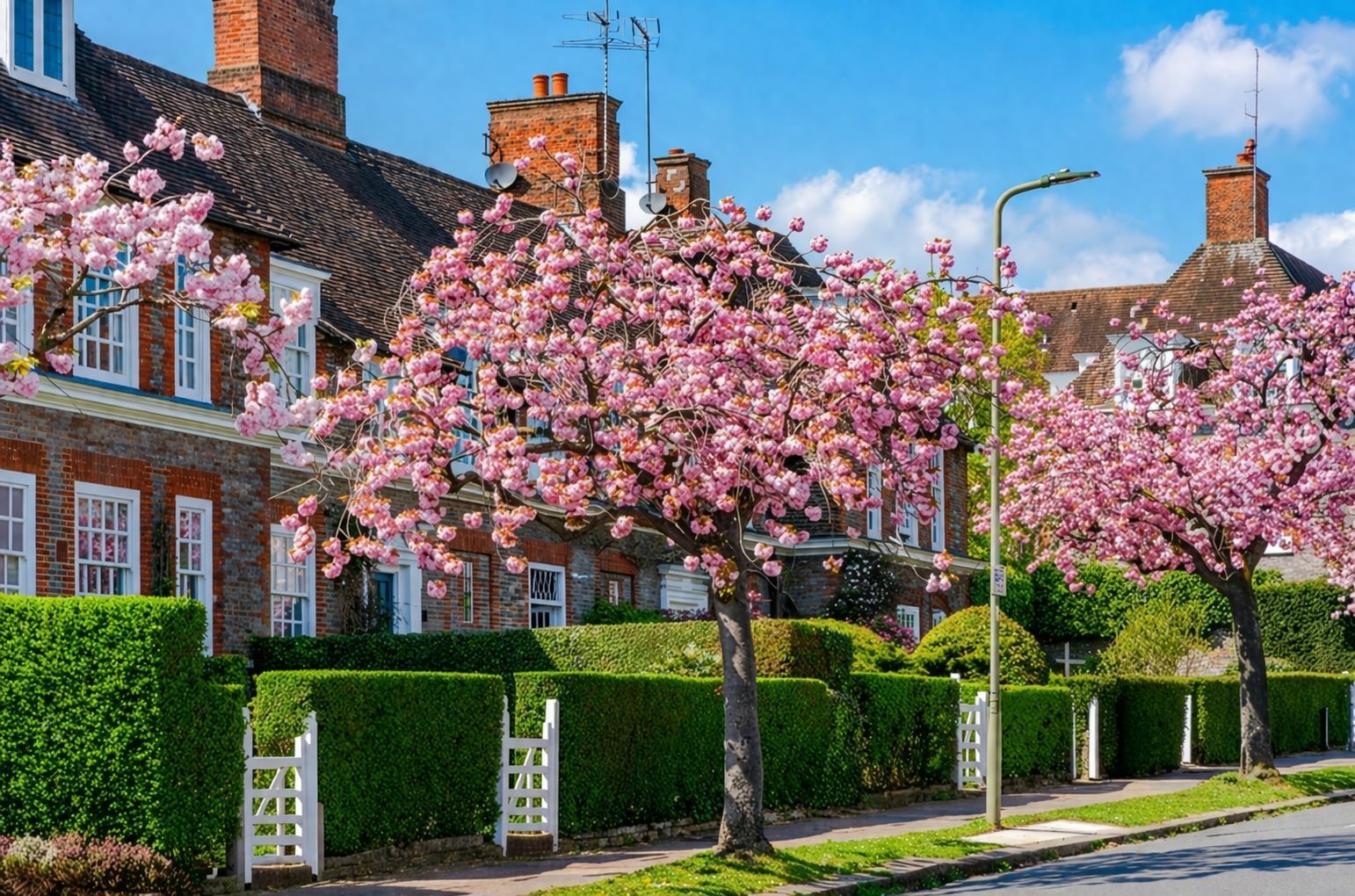
Its effects are not pretty. Lonres, who are the go-to people for stats on the London market, say that sales in February were down 31% on a year ago. There are 10% more properties at over £5m available and overall they reckon prices are down from 10% last year. This sounds about right to us but within that there are plenty of exceptions at both ends. The problem is that even though this has been the subject of acres of print and hours of dinner party conversations where everyone knows and agrees the market has fallen, the trouble is it doesn’t affect MY house. Result - lots of overpriced real estate, particularly in the smarter postcodes where sellers are wealthy enough not to need to sell. It should also be said that this is particularly focused on tall, thin houses where the number of buyers is more limited, and probably has always been since London’s emergence as an international city. How many of the wealthy refugees from the Gulf are likely buyers of these? Not that many. They will be paying premiums in both the rental and sale markets for air conditioned lateral flats. The picture in the more domestic market - think Clapham, Fulham or Islington - is better mainly because it is a domestic market where the Inheritance Tax issues around NonDoms are rarely a factor. And also because sellers there are nearly always buyers - so they have to be realistic. If you sell cheap you buy cheap as well and, at lower price levels, the stamp duty is less. Stamp Duty is the real villain of the piece - hated by everyone for good reasons. A good illustration of its effects can be seen at the top end of the rental market where £20k a week is not uncommon. In the (not so distant) past, the wealthy coming to live in London for say five years would buy. They owned their own property and when they sold it they made money in a rising market. It was the smart thing to do. Now, if they are here for less than five years, it is cheaper to rent at eye-watering prices than to pay the stamp duty - and the rising damp and leaking loo is someone else’s problem. Even if the market was going nowhere, let alone falling, renting looks like a better deal. It is interesting that the Conservatives (bought in the penal levels of Stamp Duty) are now calling for its abolition. As other parties have a habit of poaching good ideas, there is a hope that something might change even under a Labour government - though we wouldn’t recommend holding your breath on this. |

In both London and the country building costs have been steadily rising. We have commented in the past on its effect on the development market with many developers in trouble. The message that we give our clients undertaking a building project is that they are unlikely to get their money back in the short to medium term. What that also means is that the price of any house requiring work needs to reflect that. But residential property isn’t simply a financial decision. If it’s where you and your family live, it’s as good a way to spend your money as any. Over the long term - and we’ve been in the business for over forty years - there has been a noticeable change. When we started in the early 1980s old houses, particularly in the country were good value. Building a house was for the very wealthy who could afford not to get their money back. That changed to a point where building became both affordable and relatively good value with even developers making money out of it. The pendulum is now
swinging back the other way.
Despite all the chaos in the world, deals are being done in London, the country and around the world where Property Vision International operates. In all these places the story is similar - good buyers, but not enough to buy. There’s no shortage of money among the wealthy and plenty on the market - but at yesterday’s prices with often a chunk added for luck. As we’ve seen in the past, there is often an inflection point when the sellers who are also buyers, particularly those trading up, realise that this sort of market works in their favour - and they get on with it. If stamp duty wasn’t such sand in the mechanism, this process of price discovery would be speeded up - but we are where we are.
Let’s hope spring brings a brightening of the wider economic outlook as well as the skies.