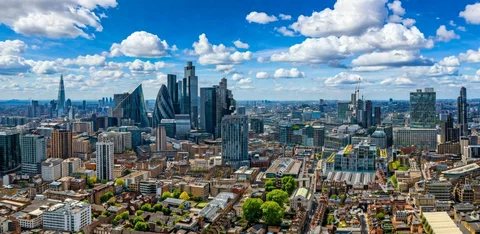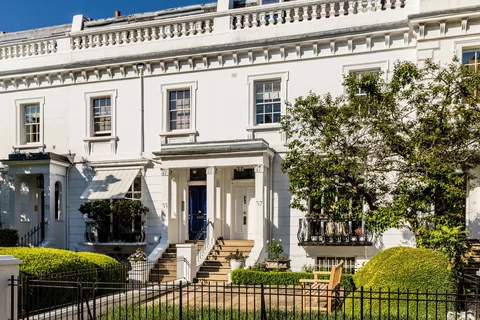
It is a truth, universally acknowledged, that a buyer is nearly always in search of an up-and-coming area. But this does beg some questions. What is going to make it come? Has it come as far as it can? What is the catalyst? How long will it take? After all, as Keynes said, in the long run we are all dead.
So what do we mean by up-and-coming? Is it ‘gentrification’ - the opening of a GAIL's and pubs selling alcohol-free craft beer and tapas? Or is it a sleepy area, already nice, that suddenly has an opera house and an outpost of a Notting Hill Club landing in the area? And what is it that stops an area heading this way when all the boxes would appear to be ticked? And what can you learn from how areas have been improved in the past?
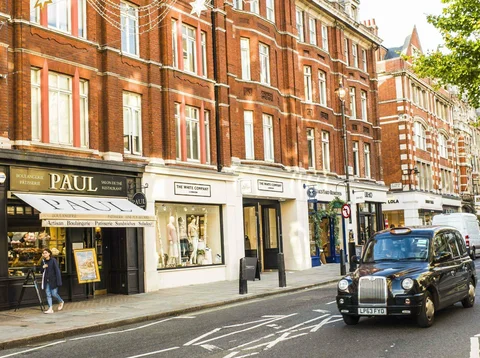
In the case of central London the traditional London estates have been anything but traditional in how they have curated and changed their inheritance. Marylebone High Street was definitely second tier before the Howard de Walden Estate created a lively street of mixed shops and restaurants over the millennium. While Chelsea had been the centre of much of 60’s London, much of that glamour had gone before the Cadogan Estate transformed it over the last thirty years. In the case of nearly all of these estates, it was driven by the Leasehold Reform Act of 1993 which made them forced sellers of residential property that then got recycled into commercial - mainly retail - that has made the transformation so visible.
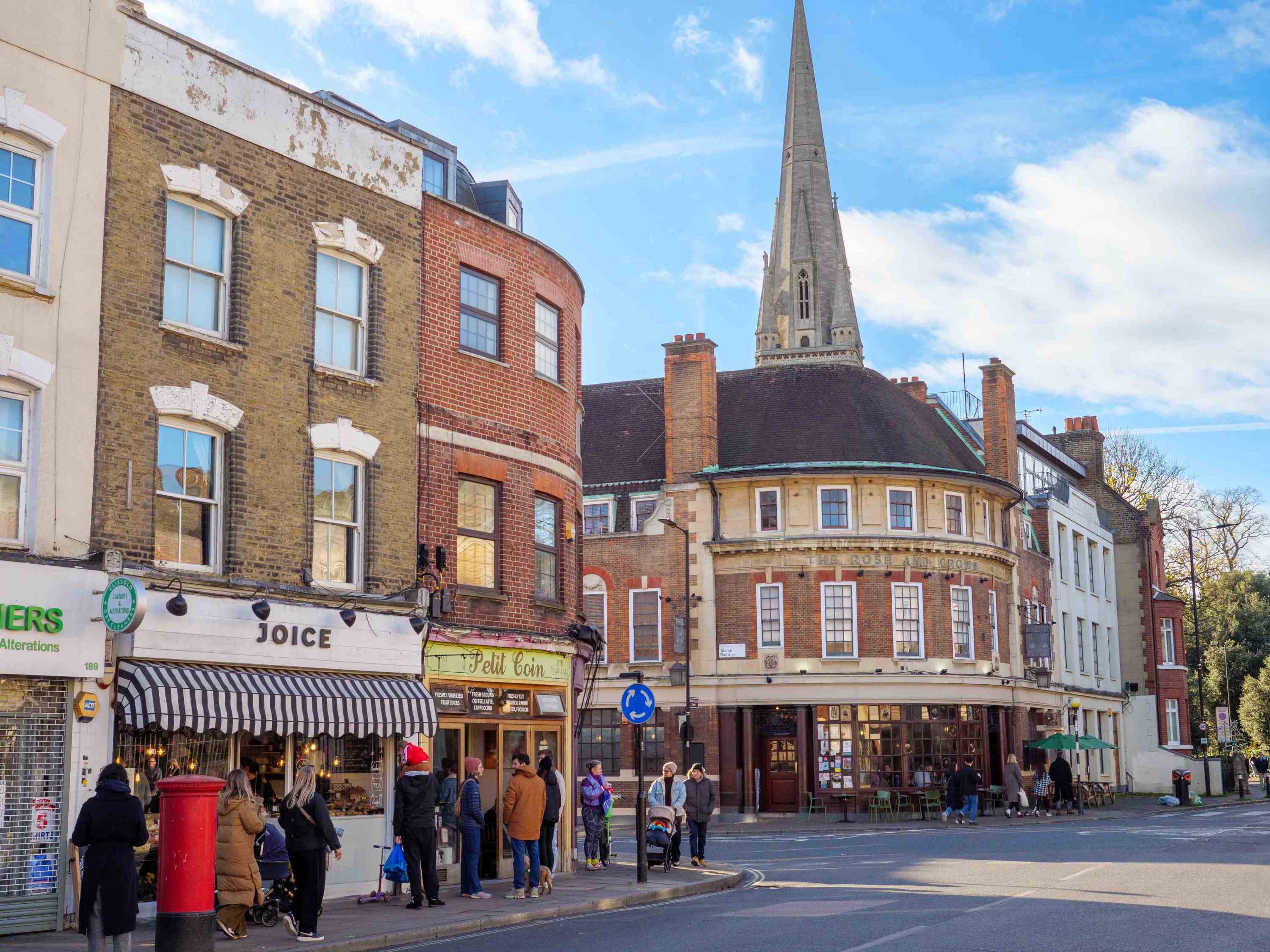
It may be a blinding glimpse of the obvious, but a rising property market begets up-and-coming areas. As central London became more and more expensive, with property prices outstripping any normal middle-class salaries, it forced those middle classes out. Many have gone east. A decade ago, Clapton or London Fields would have prompted raised eyebrows from clients looking for a ‘safe bet’. Although some eyebrows remain raised, and for valid reasons, these are now on the shortlists for creatives, young families and seasoned investors alike. What changed? Transport, for one. The Overground stitched East into the wider city fabric—an orange lifeline that turned forgotten corners into viable commutes. But it wasn't just connectivity. Once the trains arrived, so did independent businesses, galleries, and the kind of amenities that make a neighbourhood feel human: parks, yoga studios in old warehouses and places that serve flat whites, alongside workshops on natural wine.
North London tells a similar story, albeit in a different dialect. Areas like Stoke Newington, Finsbury Park and Highbury Fields are in the midst of evolution, some further along than others, but one that has been supercharged by the Elizabeth Line to the south and the relentless gravitational pull of Islington just beyond. The younger demographic who have been priced out of areas, such as Hampstead, find themselves here. Crucially, the evolution of an area isn’t just about where the trains go. It’s about where people want to stay. The pandemic accelerated the shift in what homebuyers value: flexible space, walkability and local character. This is why a Victorian terrace near a nature reserve now punches well above its weight, and why the idea of “value” is increasingly tied to community feel as much as square footage.
But what about London areas that haven’t changed much when, thirty years ago, most people would have put money on them? Stand up Shepherd’s Bush. Position. Tick: ten minutes walk from Holland Park. Infrastructure. Tick: four tube stations within easy reach and the Central Line into the City. Amenities. Tick: Westfield Shopping Centre on the doorstep. But Shepherd’s Bush Green and the Goldhawk Road and Uxbridge Road remain little changed in thirty years. Why? The reason is probably the preponderance of social housing in the area which drives the type of shop and restaurant and holds back the ‘smartening up’ that comes with home ownership. Another is Paddington. Again, all the ticks are in the boxes but why does it remain, let’s say, scruffy? A mainline station is the bad fairy here (as it is round Victoria and King’s Cross). With it come cheap hotels and a preponderance of tourism that dictates the shopping and food and isn’t exactly an inducement to local community.
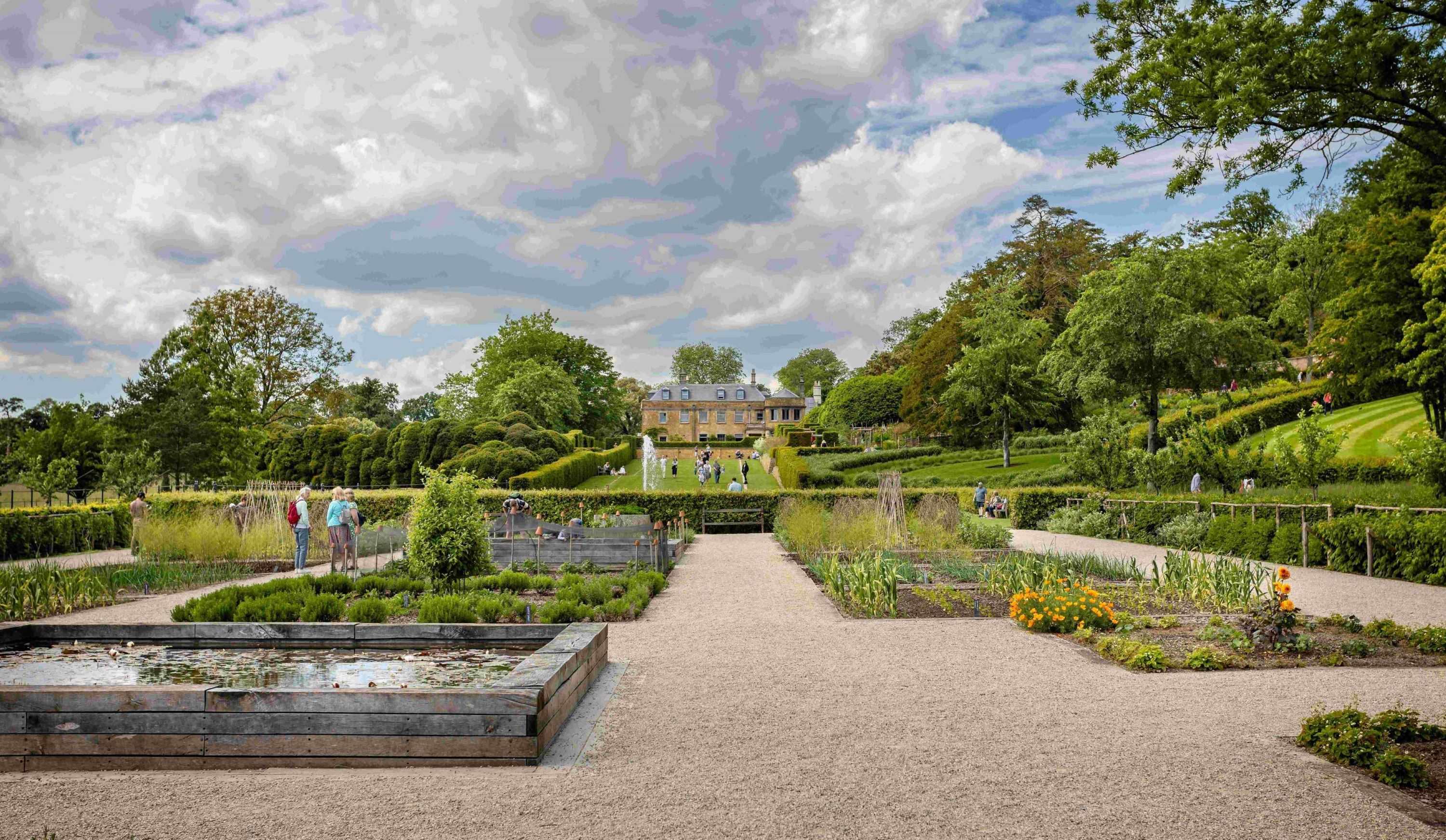
In the country, the poster boy for recent fashionability is Bruton in Somerset. Thirty years ago aspirant Sloane Rangers would have had difficulty in locating it on the map - getting a bit hazy with the countryside beyond Salisbury and the Cotswolds. Maybe they knew someone who had been to school there - but there was little else to recommend it (other than it’s a beautiful small town). What changed? First a good, busy brasserie style restaurant, At the Chapel, and then Hauser and Wirth, the international gallery with restaurant and farm shop to match, followed by The Newt hotel with its garden and reconstructed Roman Villa. It certainly helped that Babington House was reasonably close by. These had the effect of turning it from pure country to more cosmopolitan - though the Range Rover count - and the number of charabancs disgorging American tourists - is still not even close to Stow-on-the Wold. It tends to attract a more artistic and literary buyer than the Cotswolds - which definitely fall into the category of ‘come’ rather than ‘up and coming.’ Soho Farmhouse, Daylesford and, maybe more questionably, Clarkson’s Farm have made the Oxfordshire/Gloucestershire borders as fashionable as rural life can be for the denizens of what used to be called the Jet Set.
So what can we say are the catalysts for changing an area? Transport - up to a point. A good stock of quality houses (areas that were heavily bombed and rebuilt in the fifties and sixties rarely make the cut). In the country, contours make a difference - The Fens or the flatter parts of the Thames Valley are probably never going to make it into the Premier League. Pretty local towns are a must - the outskirts of Birmingham have limited appeal. But primarily, it seems to be the draw of good food that isn’t necessarily a pub and a landmark that catches the attention of the cosmopolitan wealthy. But this takes time and, by the time most people have noticed the up bit, it’s already probably come. The best advice is to go where you like and can afford - in that order. It’s your home, after all, not your pension.