Written by Philip Harvey, Senior Partner
The movement of wealth around the world has always come down to four things: security, tax, lifestyle and opportunity. What has changed is the speed at which wealthy families now act on these considerations, and the sophistication behind it. The buyers we work with are not always making a single strategic relocation decision. Some are assembling portfolios of lives across multiple jurisdictions, each chosen for a specific job. Understanding what is driving that behaviour tells you most of what you need to know about where prime property markets are heading.
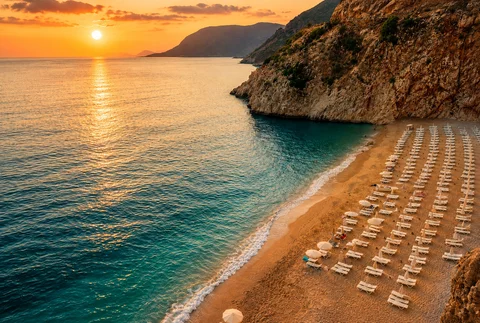
The return of the home market
One of the more striking changes this year is a reversal of the Dubai story. For the best part of a decade, the flow of British and European wealth towards the Gulf ran one way.
The catalyst was specific. The conflict in Iran reached close enough to unsettle a city that had spent years presenting itself as immune to regional instability. For some of our clients, that was the moment the calculation changed — not mad panic or a mass exodus, but a recalibration. Dubai was no longer unconditionally safe.
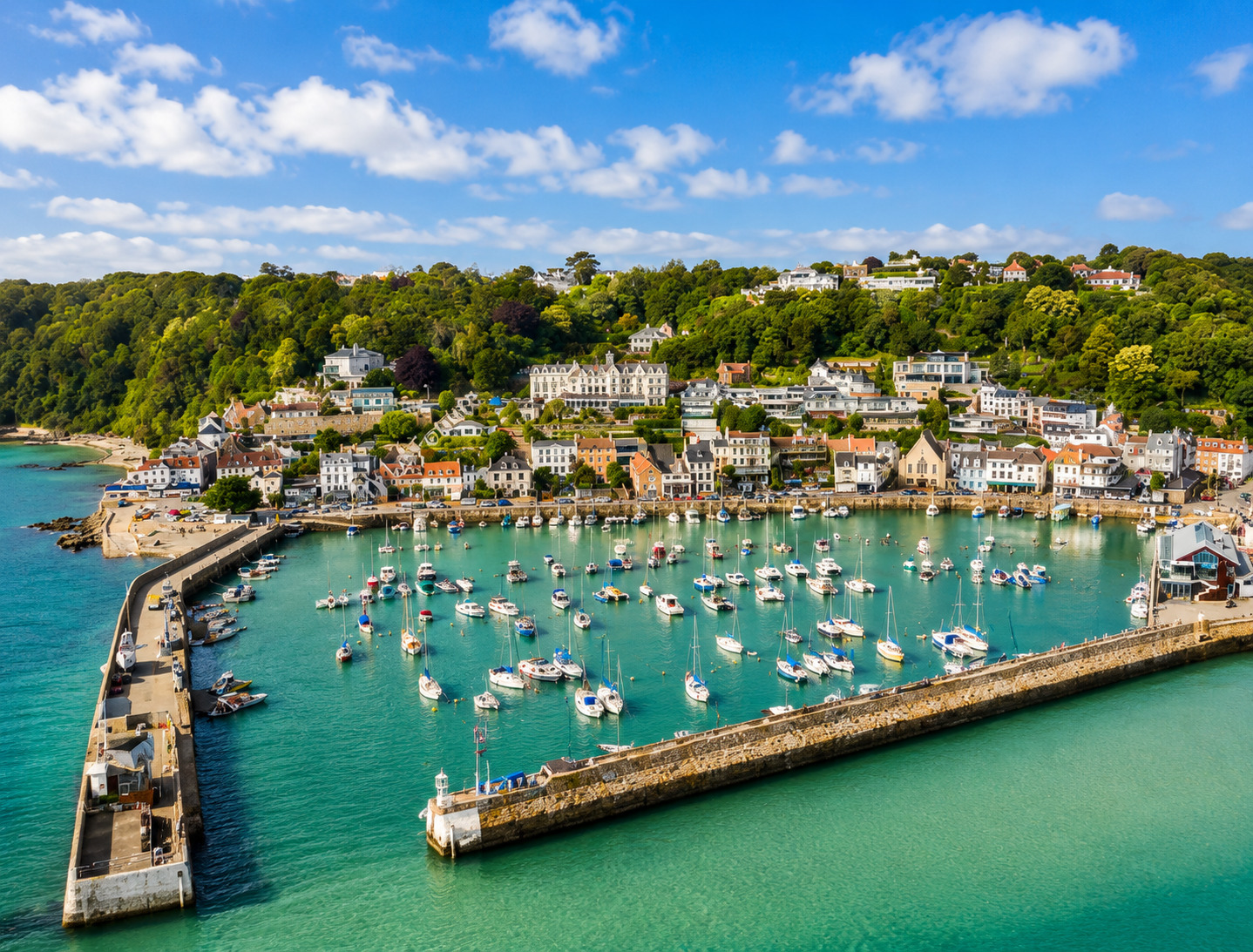
Jersey and the wider Channel Islands have been significant beneficiaries. The appeal is not complicated: security, community, natural beauty, proximity to the UK, and a tax environment that competes directly with the UAE on its own terms. In the first quarter of this year alone, 43 new applicants were approved to purchase property in Jersey. This is a meaningful step up from 37 for the whole of 2025 and a long-term average of just 20 per annum.
A similar pattern is emerging among Irish nationals and British expats returning from Doha and Dubai to Ireland. Dublin and its coastal hinterland are seeing renewed interest, driven by family ties, schooling, and a kind of lifestyle the Gulf — for all its considerable advantages — has never quite managed to replicate.
For many of our clients, the Middle East remains an essential part of their lives. But the direction of travel has shifted. Where buyers were once consolidating in the UAE, they are now distributing across alternative bases — and the home market is reasserting itself as one of them.
Tax certainty is the new tax efficiency
Security is one issue. Another is fiscal policy. It is tempting to reduce the movement of international wealth to a simple tax arbitrage story, but the reality is more interesting than that.
Data is of course important, but buyers are not only chasing the lowest number on a spreadsheet. They are seeking certainty — the ability to plan ten or twenty years ahead without wondering whether the rules will move beneath them. For many of our clients, that certainty is worth more than the marginal gain of a more aggressive structure.
The UK has lost ground here. Recent changes affecting internationally held wealth, combined with a broader sense that the tax burden is both rising and unpredictable, have prompted a genuine reassessment. Prime central London remains one of the world's great residential markets and will not be abandoned lightly. But for internationally mobile individuals weighing a long-term commitment, the certainty premium has taken a hit.
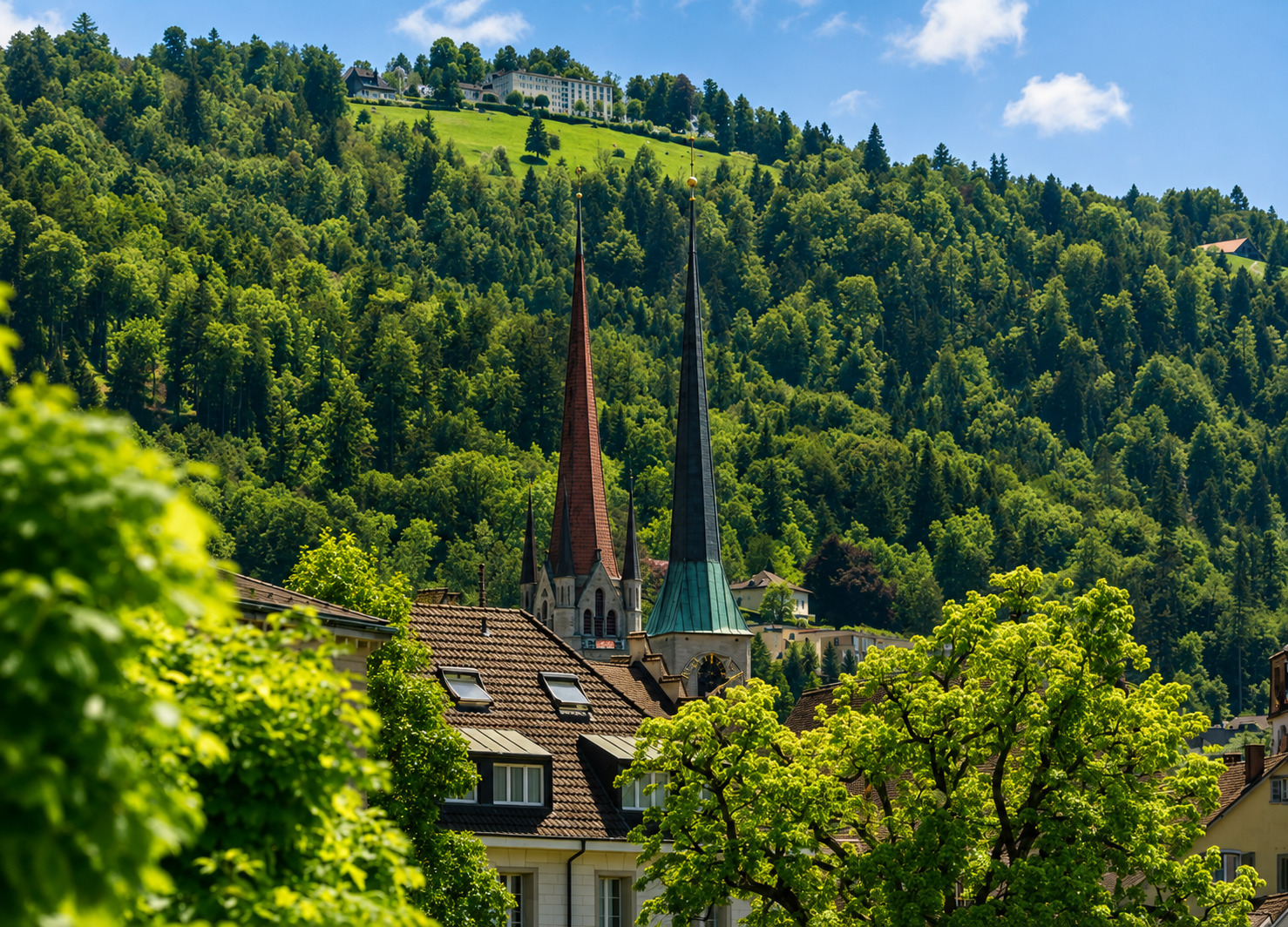
The beneficiaries are the places that have got the fundamentals right. Spain's Beckham Law continues to be a draw in places like Marbella and Madrid. Italy's flat-tax regime, despite recent cost increases, is now driving full-time relocations to Milan rather than second-home purchases. Switzerland — Geneva and Zug in particular — attracts buyers from higher-tax jurisdictions across Europe who value the country's long and unglamorous record of consistency. Zug, a town of under 35,000, has built an outsized reputation precisely because it offers no theatrics, just consistency, low rates, and a quiet, dependable rule of law. For families making decisions measured in decades, a track record matters more than headline numbers ever will.
Lifestyle and legacy
The financial analysis rarely tells the whole story. In almost every conversation we have with internationally mobile clients, lifestyle considerations carry at least as much weight as tax or investment return.
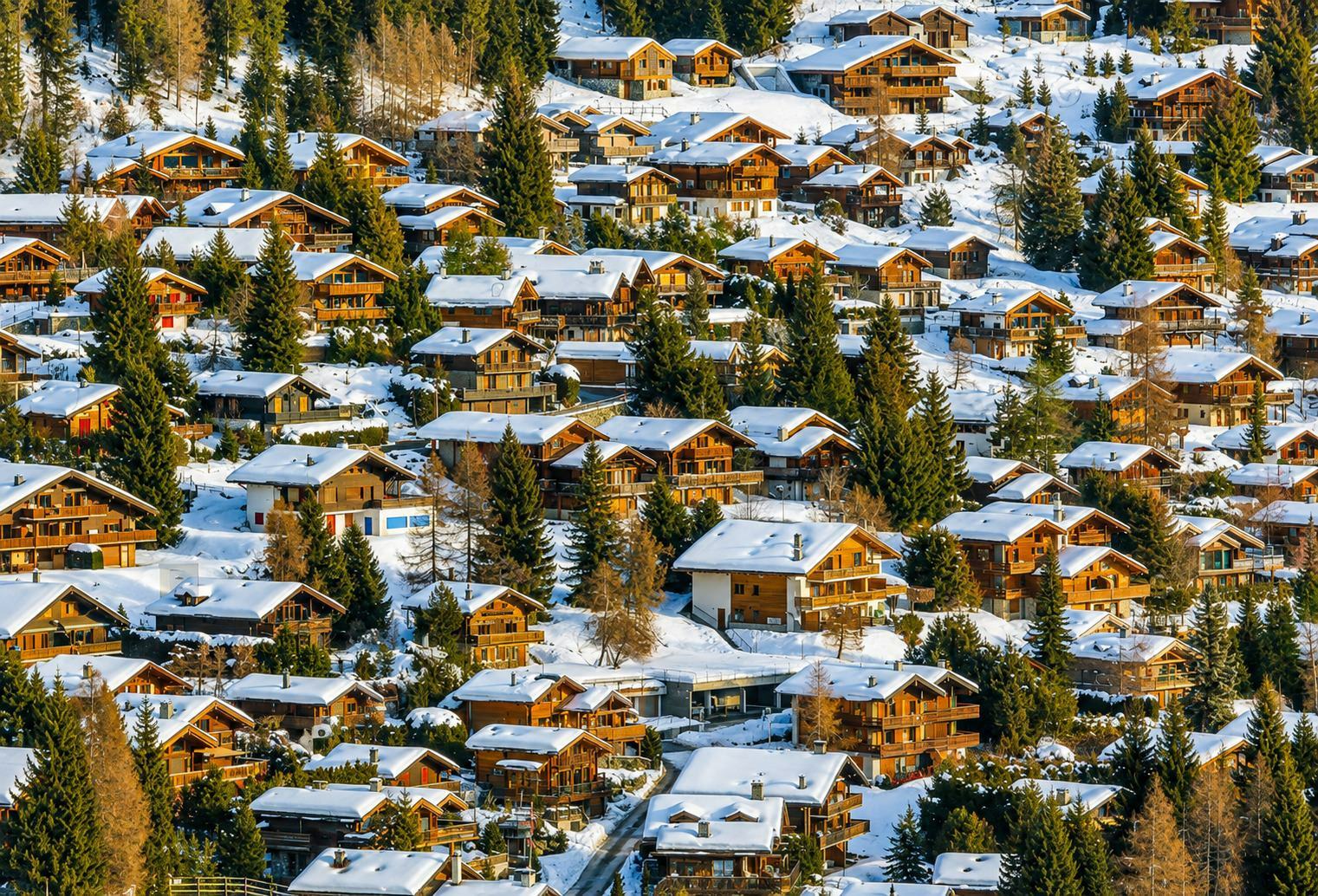
In the Alps, a structural shift is underway. As the number of reliably snow-sure resorts declines, the ones with strong communities, limited supply and appealing amenities are pulling further ahead of the pack. Verbier is a clear example. Supply remains incredibly tight, full-time residency is growing, and the quality of the educational infrastructure is becoming a serious differentiator. Buyers who once treated Verbier as a seasonal retreat are increasingly treating it as a primary or secondary base.
In Southern Europe, Portugal continues to punch above its weight. Lisbon is a thriving and much-admired international city with an exceptional quality of life, at a price that still looks reasonable next to London or Paris. Comporta and the Algarve have seen sustained activity in the €5 million to €15 million bracket. The common thread is a quality of life that is difficult to argue with, paired with a political and social environment that feels, for now, dependable.
The education effect
The quality and availability of schooling is also a primary consideration. More often than not, it is the deciding one.
A wave of prestigious British and American schools is expanding internationally, and wherever they land, the property market tends to follow soon after. Brighton College is opening three international campuses before the 2027 academic year. Reigate Grammar School, Hurtwood House, and Barcelona High School's planned Ibiza campus are further examples of English speaking based education colonising established lifestyle destinations. The effect on local demand is significant.
The merger of Verbier International School and Copperfield School has significantly expanded boarding and day capacity, and we now hear it cited explicitly in enquiries from clients weighing the resort for full-time residence. Meanwhile, Jersey's enduring appeal is inseparable from the quality of its education, while Dublin attracts globally mobile families, partly on the strength of its boarding schools.
The Trump refugee
The strength of the dollar, combined with softer pricing in parts of the UK, has created a significant opportunity for American buyers — but what we are seeing goes beyond currency opportunism. A degree of domestic political division has played its part too, nudging some families to treat a European base as insurance as much as lifestyle.
Wealthy American families are increasingly treating European property as part of a long-term strategy rather than a short-term trade. The Cotswolds, Herefordshire and Yorkshire are attracting buyers from the East and West coast while Prime central London is seeing renewed American interest too.
Across Europe, the pattern holds. Italy, Spain and Portugal — Lisbon and the Algarve in particular — have become a key focus for US buyers seeking a European base. In Ireland, Americans are now among the largest groups of overseas purchasers in both Dublin and the country house market, with many arriving from California and New York. These are not only holiday home purchases. They are strategic moves by families seeking greater geographic diversification, and a deeper foothold in Europe.

In search of certainty
Strip all of this back and the thread running through it is not tax, currency, or even lifestyle in isolation. It is the desire to make long-term decisions with reasonable confidence that the ground will not move beneath them.
The buyers we work with are not reacting to short-term conditions. They are building resilient, diversified lives across jurisdictions, choosing each location for a specific purpose: a primary home, an educational base, a business hub, a legacy asset. Property is simply the infrastructure that holds the strategy together.
What this means for prime markets is a sustained flow of serious, long-term capital towards the places that can offer what mobile families actually want — stability, quality of life, educational excellence, and a fiscal environment that does not move the goalposts. The places that get this combination right will keep attracting demand that is largely insulated from the volatility affecting the mainstream market. The locations that do not, will find the competition harder to ignore with each year that passes.


